

Transformation and innovation: There is no quick fix: Part 2
Schumpeter’s gale of creative destruction is blowing, and even though the wall you built to bolster your core business will increase your resilience, it is type B transformation that create the wind turbine to power the next wave of growth. Yet, it is no quick fix.

Transformation and innovation: There is no quick fix: Part 1
In the first part of this two piece series on transformation and innovation, this post considers 2 formulas, 8 books, at least 25 questions and lots of lessons.

What is true Leadership in times of uncertainty?
How do we manoeuvre forward through times of uncertainty? Do we retreat, do we “pretend” it is business as usual, and that all will return back to normal?

Working with start-ups? Be more successful at scouting the best ones
When collaborating with a startup, a lot can go wrong. But if you focus on four simple steps, it will be much easier.

Innovation and the Scientific Method
Most large organisations are led and managed very systematically, and they pride themselves on that. Managers and leaders within those organisations are usually smart, educated, and want to make data-driven, evidence-based decisions.

Get Comfortable With Being Uncomfortable
Many of us are feeling overwhelmed and languishing in varying states of anxiety and discomfort. Some of us are struggling with extreme uncertainty existing within our business and personal environments, whilst many of us are seeking to prepare and manage for what might possibly come next.

Everyone Hates To Fail – Why Do You?
If you have ever had a significant setback, made a serious mistake, or failed at completing an important task, you will have experienced some kind of deep emotional and visceral, largely unconscious, negative, reactive response to it.
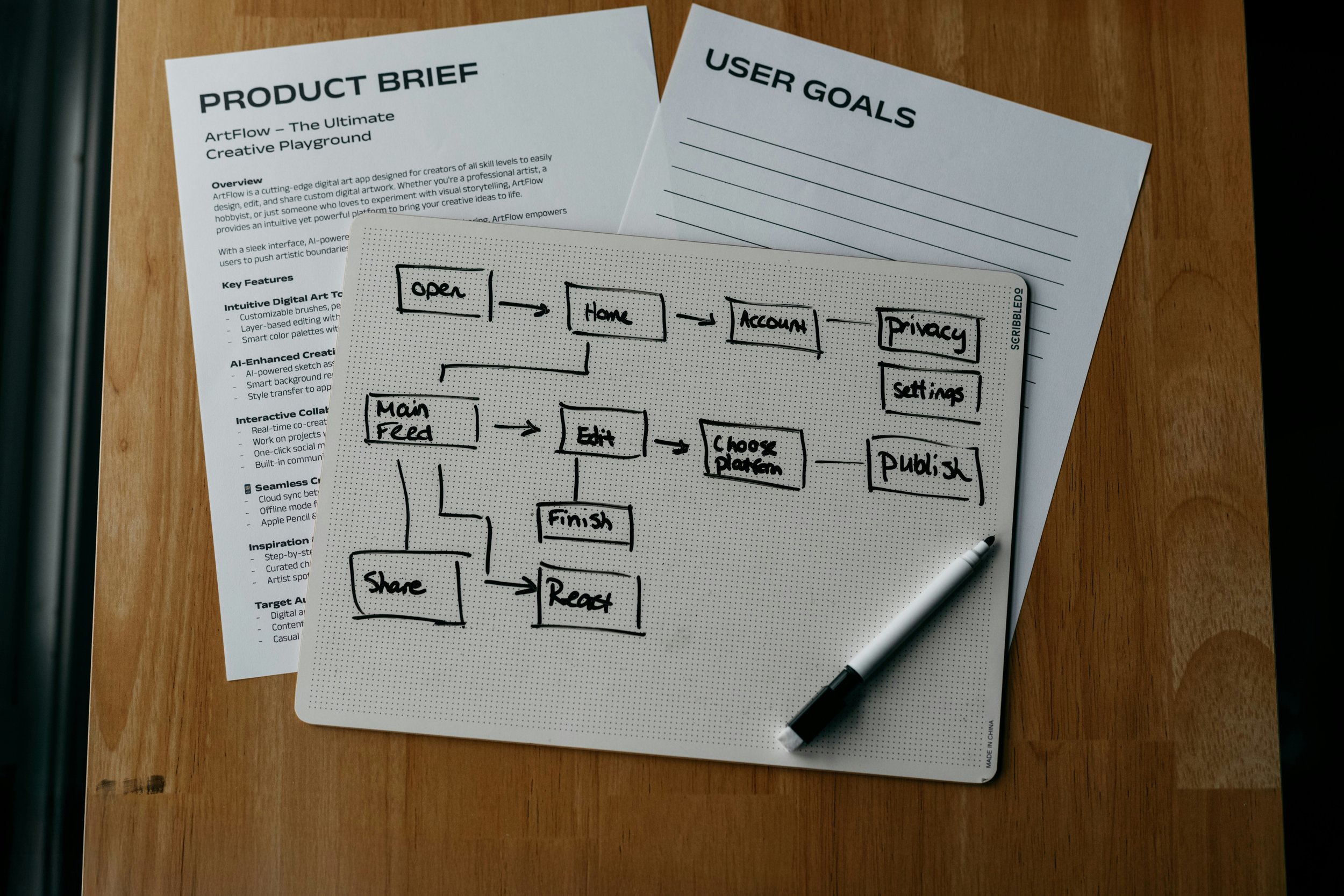
8 steps to face a VUCA environment with Design Thinking
Competition increases for us every day as we face new and complete challenges.

Valuing digitization alongside innovation
Much of our innovation work today is caught up in out-of-date information, poor and inadequate data, restricted research and limited market understanding. Our innovation insights are badly lagging, with the effect being the solutions offered are not ‘tuned’ into the present and anticipated needs, as they often lack dynamic data. It has become necessary to digitize our innovation activities fully.

Building capability and capacity to expand innovation
For innovation to be successful, the bottom line is the commitment and focus made for building the capabilities and competencies in innovation as it is people that create real value and it is them that ARE the innovation success equation.

Our innovation era: creative destruction or destructive creation- which?
Many industries start out thinking they are on the path to “creative destruction”, but somewhere along the road got flipped into “destructive creation”.

Defining Innovation Capital
Innovation capital is the sum of all that promotes the development and changes required for achieving innovation outcomes, within one organisation or its broader networked environment, for marketplace advantage.

Alignment is needed everywhere
Working on alignment is certainly one of the main tasks that is sucking up a large part of your working day.

The Leader’s Guide To Executing Innovation
Many would-be innovators obsess over ideas, wait for inspiration to strike, and believe that with the right idea, success can miraculously come overnight.

Cultural Differences in Innovation
When managed correctly, cultural differences can boost innovation, but if neglected or ignored, they can also hinder it.

Developing 21st-Century Superpowers For Leaders And Teams
Rather than living in a world where everyone hates to fail, why not adopt a rethink, respond, regroup, thrive pattern, and experience failure as an opportunity for change, unlearning, and re-thinking?

Innovation Teams Don’t Innovate
Conventional team collaboration performance and development approaches are still relevant and foundational to long-term organisational success.

Taking Personal Responsibility- Going back to leadership basic
Taking personal responsibility involves encouraging people to step up and out of blaming themselves or others, out of justifying their position or denying what is really going on to largely avoid the cognitive, emotional, and visceral results of their actions.

Reskilling and Upskilling People and Teams
Where organisation, leaders, and teams can increase speed, agility and improve simplicity and strategically generate new ways of tapping into the power of, and harnessing, and mobilizing people’s collective intelligence.

Re-Thinking For A New Age
Rather than living in a world where everyone hates to fail, why not adopt a rethink-respond- regroup pattern.